
What Is Food Insecurity?
Food insecurity means not having consistent, reliable access to enough affordable, nutritious food. It affects people of all ages, backgrounds, and circumstances — and it’s more common than many realize.
Food insecurity is not just hunger. It’s:
- Skipping meals to make food last
- Choosing between groceries and medicine
- Parents going without so kids can eat
- Relying on low-cost, low-nutrition options
Food Insecurity in Our Community
In Leavenworth County and across Kansas, many families live paycheck to paycheck—and a single emergency can push them into food insecurity.
- 1 in 8 Kansans struggles with hunger (Feeding America, 2023)
- In Leavenworth County, over 10% of residents experience food insecurity
- Children and seniors are among the most affected
- 1 in 5 Kansas Children face food insecurity
[Source: Feeding America | USDA Economic Research Service]
Who Is Affected?
Food insecurity can impact anyone, including:
- Working families with low wages
- Seniors on fixed incomes
- Single parents
- People with disabilities
- Veterans
- Students
- Recently unemployed individuals
Most of the people we serve are doing everything “right”—they’re working, raising families, and contributing to the community. But rising costs and limited support mean they still can’t make ends meet.
Why It Matters
Food insecurity isn’t just a personal problem—it’s a public health and economic issue. It affects:
- Physical health – leading to chronic illness, malnutrition, and fatigue
- Mental health – increasing anxiety, depression, and hopelessness
- Children’s development – impacting concentration, behavior, and academic performance
- Economic stability – making it harder for families to thrive and communities to grow
Breaking the Stigma
There is no shame in needing help. Everyone deserves access to nutritious food. We believe that food is a human right, not a luxury.
Our work is rooted in compassion, dignity, and the idea that helping each other is how we all get through.
What You Can Do
- Learn more – Educate yourself and others about the realities of hunger.
- Speak up – Share our mission and help break stereotypes.
- Get involved – Donate, volunteer, or host a drive.
- Support policy change – Advocate for programs like SNAP, WIC, and free school meals.
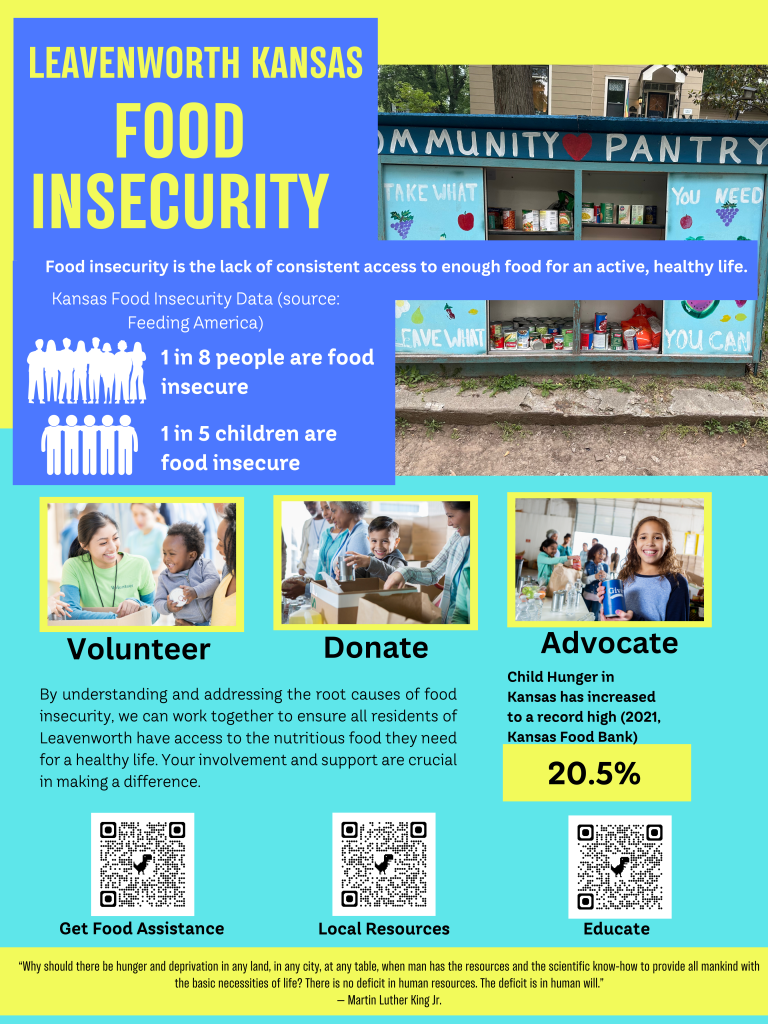
 The Community Pantry Project